
They say the best things in life are free. And in Costa Rica, that couldn’t be more true.
Jungle walks… untouched beaches… waterfalls… wildlife… so much of what makes this place incredible doesn’t cost a thing.
(And no, you don’t need to hire a fancy tour guide to see all of that.)
I spent just over 7 weeks in Costa Rica — 54 days to be exact — from November-December 2024. And spent just $3,577 over that entire time period. Ok, so my ex boyfriend did cover some of the expenses. Including the rental car, gas and some restaurant costs. Which would have probably tacked on another $1,500-$2,000.
Still not that bad though for a 6-week vacation in the most expensive country in Central America. I found that, while Costa Rica is undoubtedly expensive, there are ways to keep your costs down if you’re mindful. Here’s how I was able to travel to Costa Rica on a budget — without feeling like I was sacrificing my experience.
1. Use your credit card to avoid paying for extra car rental insurance
In Costa Rica, a car is pretty much essential (at least on the pacific coast). And, yup, rentals are expensive.
If you’re browsing car rental companies or booking sites, you’ll see a huge range of prices. That’s because some companies include the price of insurance in their quote — but many don’t.
In Costa Rica, there is mandatory third-party liability insurance (that you have to pay extra for). This covers any damage that you might cause to a third party. This insurance can add a LOT to your quote (typically $10-$25 per day).
In addition to third-party liability insurance, there’s another type of insurance that is mandatory in Costa Rica (or at least pushed heavily by the agencies). And that’s collision damage waiver (CDW) insurance.
CDW insurance waives your financial responsibility in the case of damage or theft to the rental car. CDW is normally around $15/day but you can waive the CDW fee if you have car accident coverage through your credit card. My ex boyfriend and I were able to save over $500 for our month-long rental this way!
To do this, you might have to get a letter from your credit card company. But don’t worry — this isn’t as complicated as it sounds. You can normally just call them up and they’ll email it to you. Just be aware that your credit card company might have certain limitations on the coverage, such as the type of vehicle, rental length and rental locations.
Also keep in mind that many car rental companies will want to take some sort of deposit. Normally this will range from $1,000 to $2,500. But I heard of one couple that used a small company and they wanted to charge $5,000! So check this before you go ahead and reserve a car.
Also, the prices can be quite different depending on what location you book from. We found San Jose to be quite a bit more expensive than Dominical. So we ended up taking a shared shuttle (Easy Ride Shuttle) from San Jose to Dominical and then renting a car in Dominical. We also didn’t want to make the long drive given that we weren’t familiar with the roads and all.
If you decide to rent a car in Dominical, I highly recommend Alamo. They were fantastic and gave us a great deal on our car. I believe we paid around $800 for the entire month (including insurance). I can’t remember how much the deposit was but I believe it was around the same price ($800) and they returned it in full after we returned the car.
Alamo didn’t charge for an extra driver or ask for a letter from our credit card company like other rental car companies do. They didn’t charge a cleaning fee either even though we returned the car pretty dirty (in our defense, it was rainy season and we had a dog with us so it was kinda hard to keep the car clean!).
We had an issue with the car at one point and they exchanged it with another car, no questions asked.
2. Buy produce at the local ferias (farmers markets)


Like many parts of Latin America, the cost of imported goods is just insane in Costa Rica.
Enter…
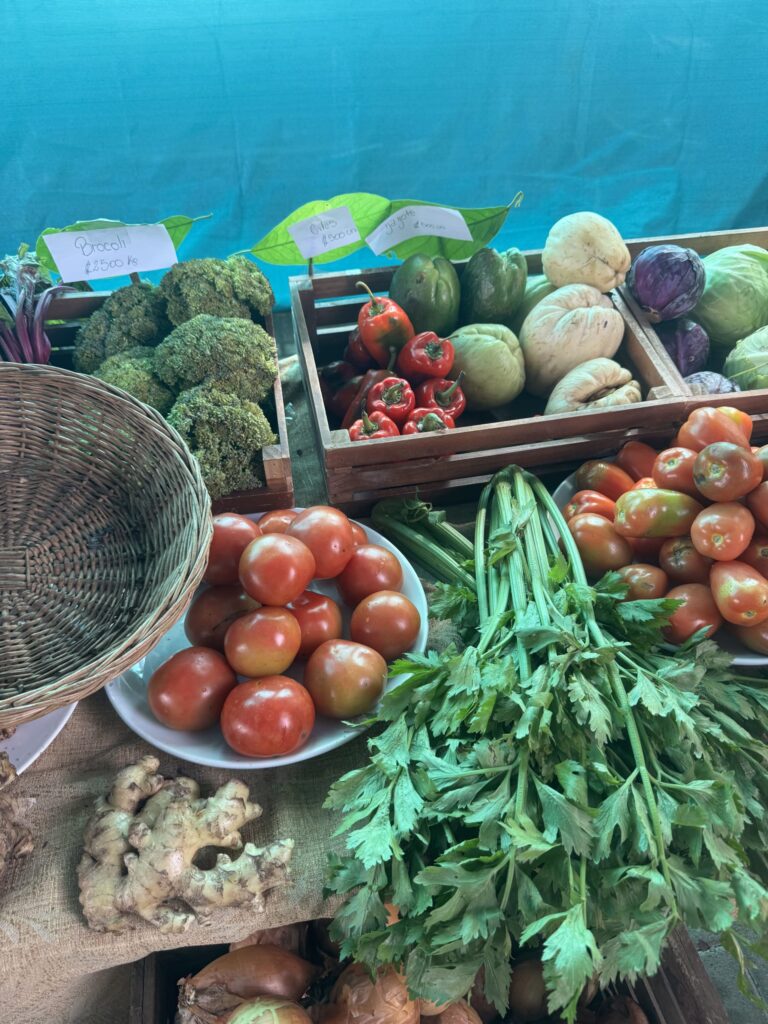
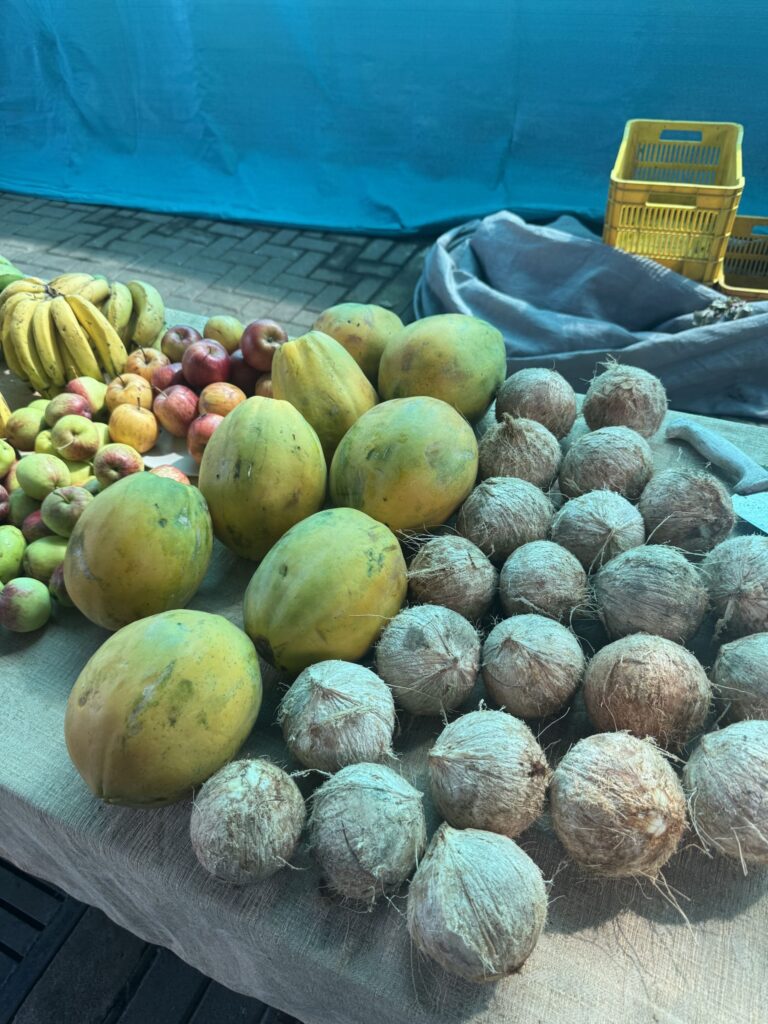
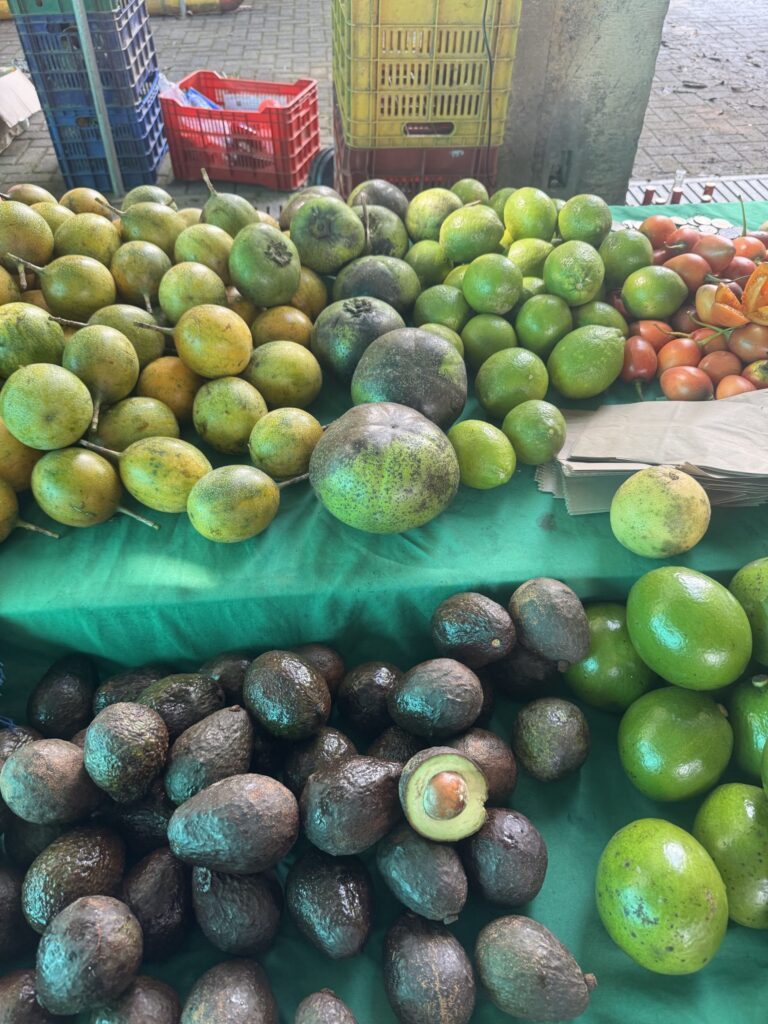
Farmers markets! At least where I stayed (in Dominical and Puerto Viejo), there’s a weekly farmers market where vendors sell fresh, organic produce and other local, handcrafted products.
The produce is much tastier and cheaper than any grocery store. Plus, you’re supporting local vendors and businesses. Win-win.
3. Shop at zero waste stores
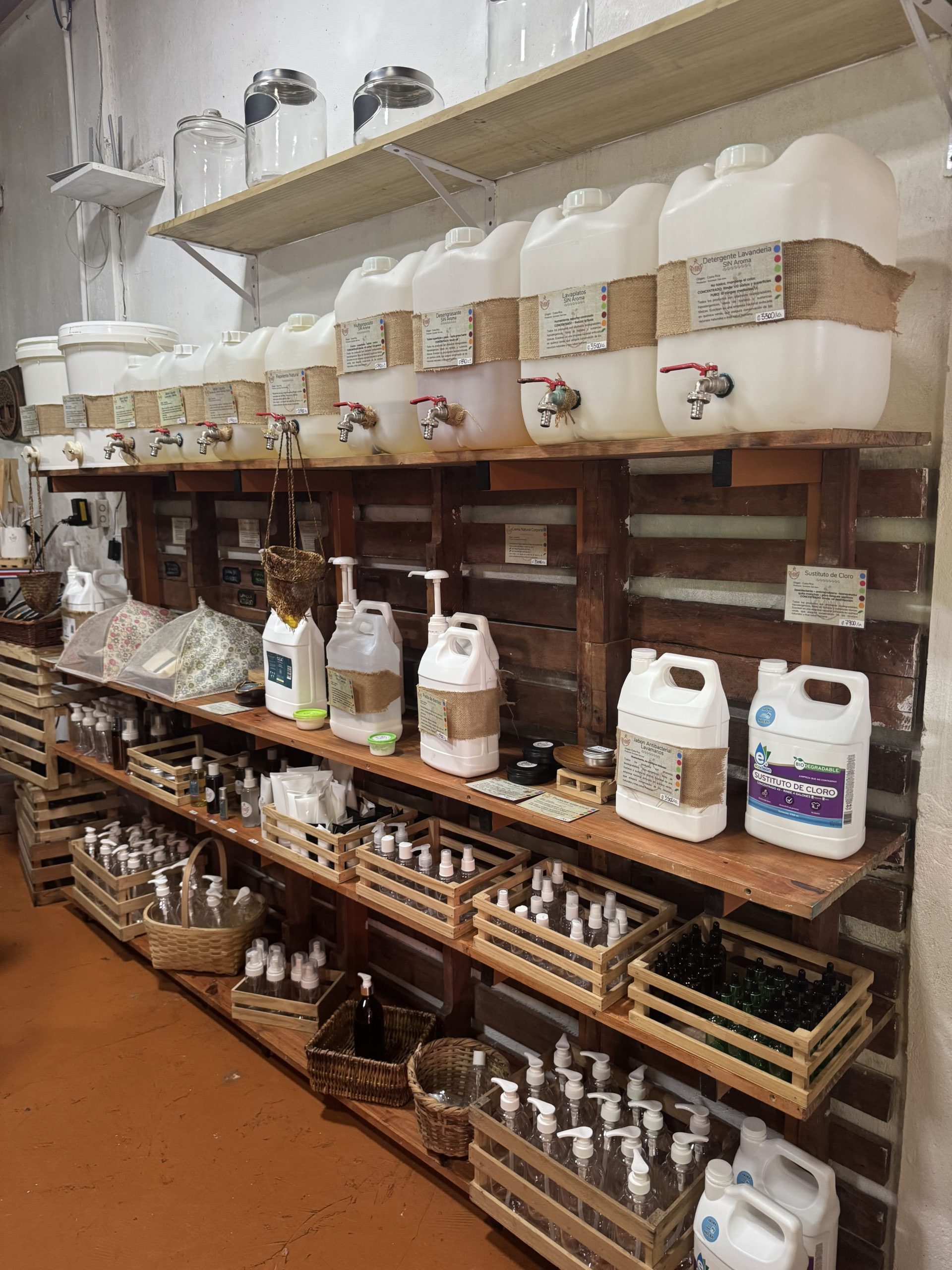
A zero waste shop is a place where you can buy food staples (like rice, nuts, grains and other dried foods) and household items by refilling them in your own containers. The idea is to eliminate plastic packaging and waste, but you can buy containers there if you need to.
As an added bonus, these shops often end up being cheaper than a typical store (since you aren’t paying for packaging and you get bulk purchasing savings that the stores get). The products also tend to be high quality and organic.
For example, I bought a small organic, all natural conditioner from Emana (in Uvita) for just $2 USD and a big bottle of shampoo for just $4 USD.
Here’s a peek at the store:
4. Eat at local “sodas”
Shockingly, restaurants in Costa Rica can be similar to American prices. We paid around $60-$70 (sometimes more) on dinner for two people.
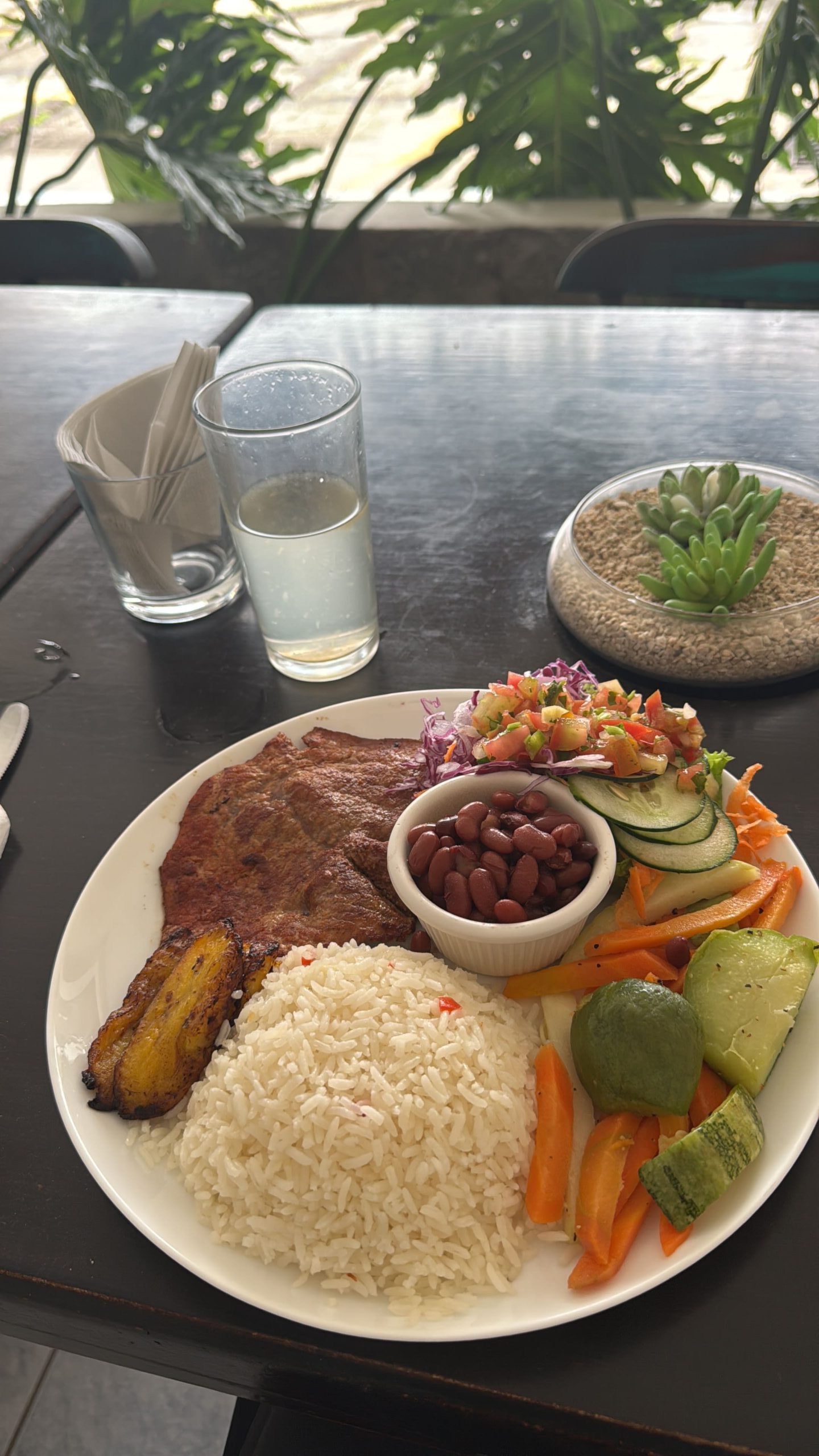
But if you dine at the “sodas” (local restaurants), it can be much cheaper. At least as of 2024, a hearty “casado” (typical Costa Rican dish) cost about $10. Not cheap but not terrible by Costa Rican standards. And definitely cheaper than eating at any of the foreign restaurants.
5. Pet sit to get free accommodation (my favorite budget travel hack)
This is my #1 travel hack (and how I essentially travel the world for free). If you love animals and don’t mind a little responsibility while you’re traveling, I highly recommend TrustedHousesitters. A platform where you can watch over peoples’ pets and homes in exchange for free accommodation.
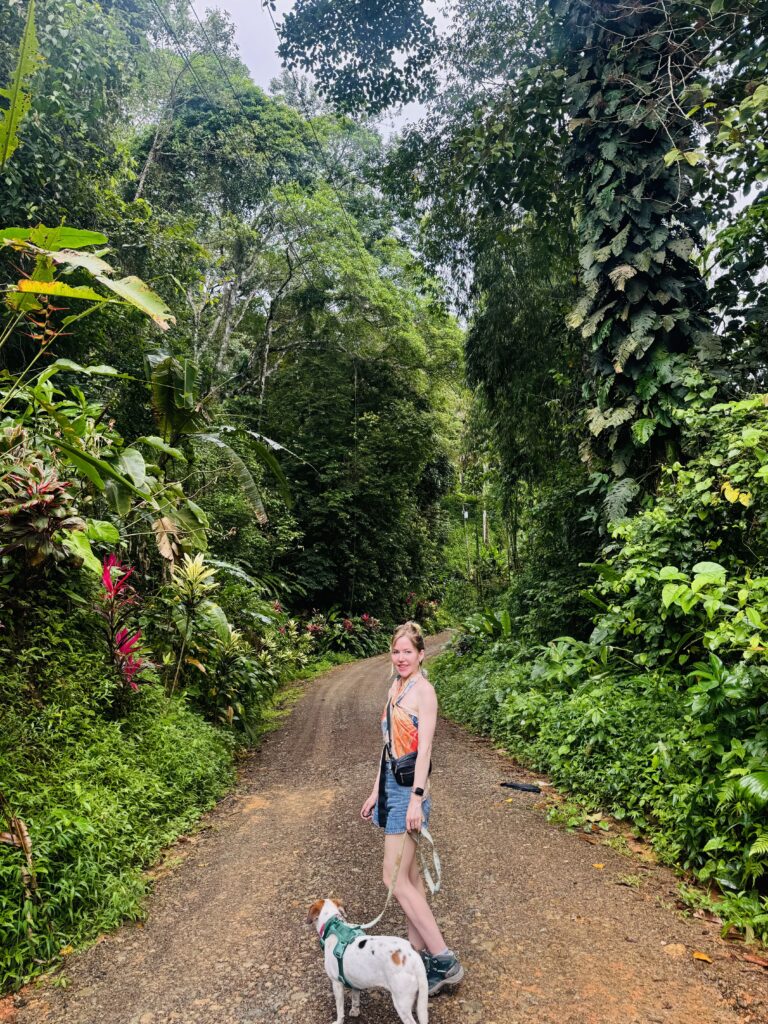
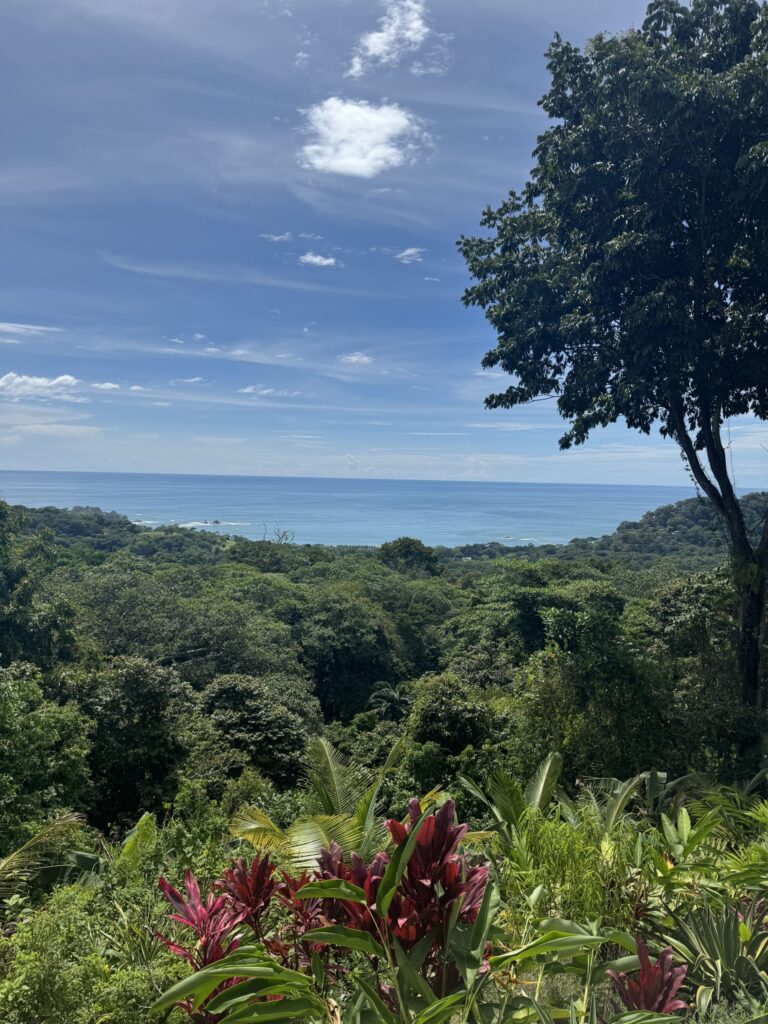
My partner and I stayed in a luxurious open-air home with ocean views right in the middle of the Costa Rican rainforest for one month. All we had to do was take care of the house and watch over an adorable little dog.

And this was the view from the house:
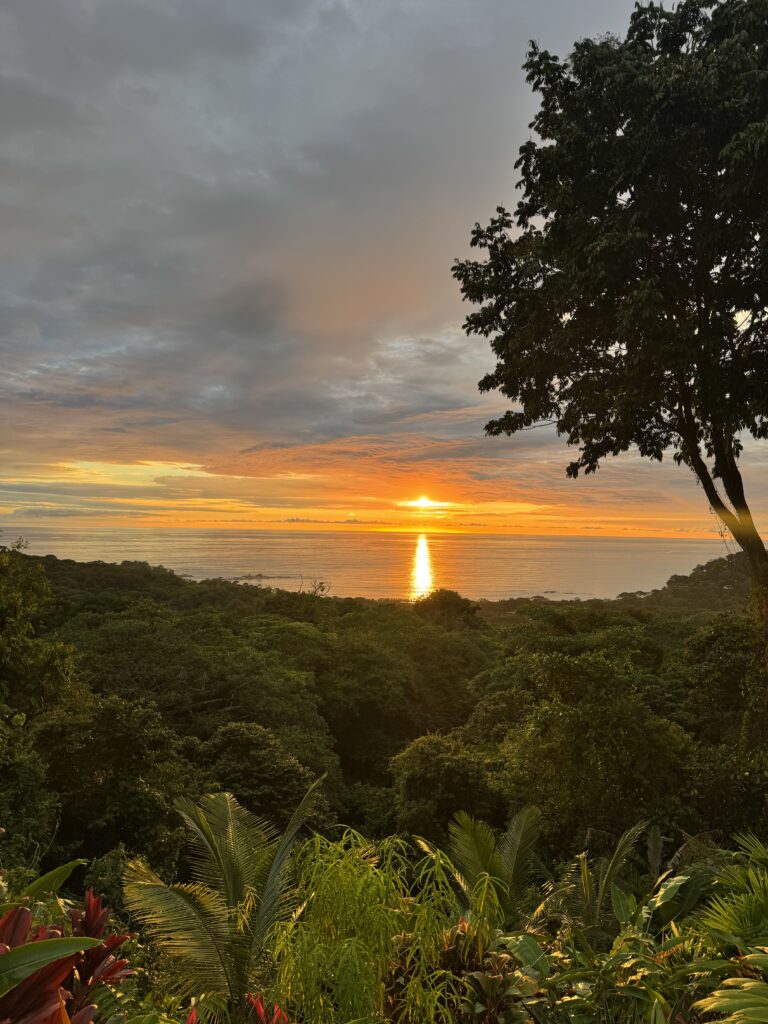
On the days we could see it… those sunsets were pretty spectacular!
Totally worth it if you ask me. Especially if you’re an animal-lover.
If you want to join TrustedHousesitters, here’s a link to get 25% off (no, I’m not an affiliate but that will give me 2 free months). If you want to find out more about how the platform works, check out my TrustedHousesitters review (plus what I’ve learned after 21+ sits).
6. Visit the Caribbean side
The Caribbean side of Costa Rica has a completely different vibe than the pacific coast — and it’s cheaper.
While the Pacific coast is more developed, more mountainous, and known for its world-class surf…
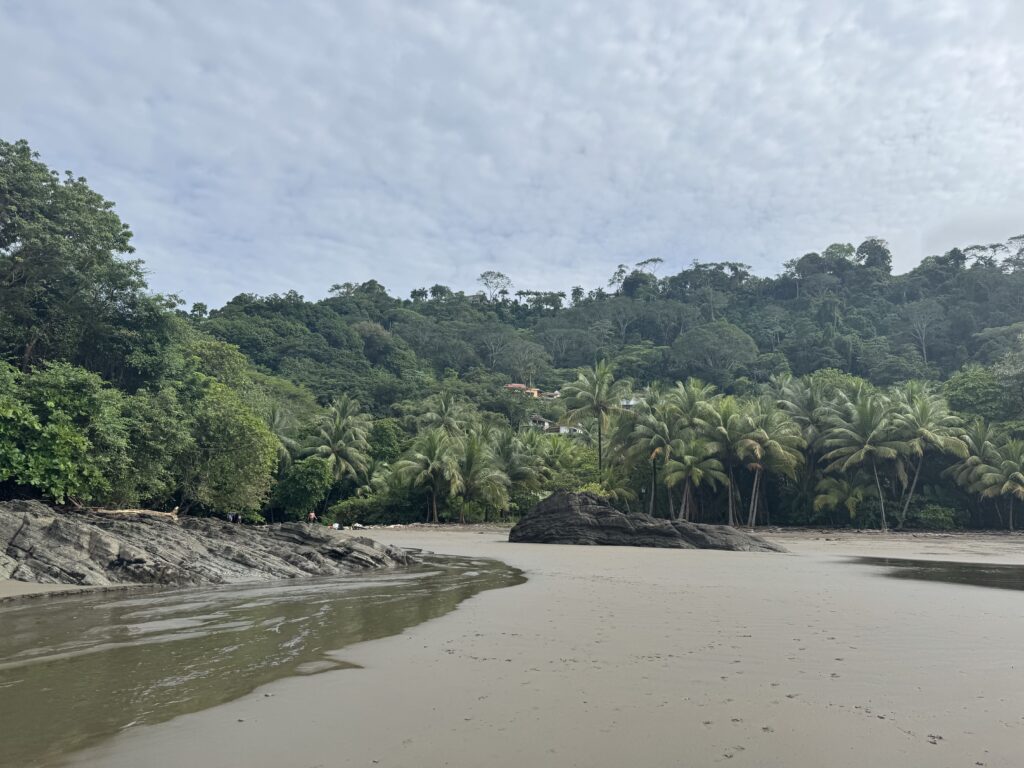
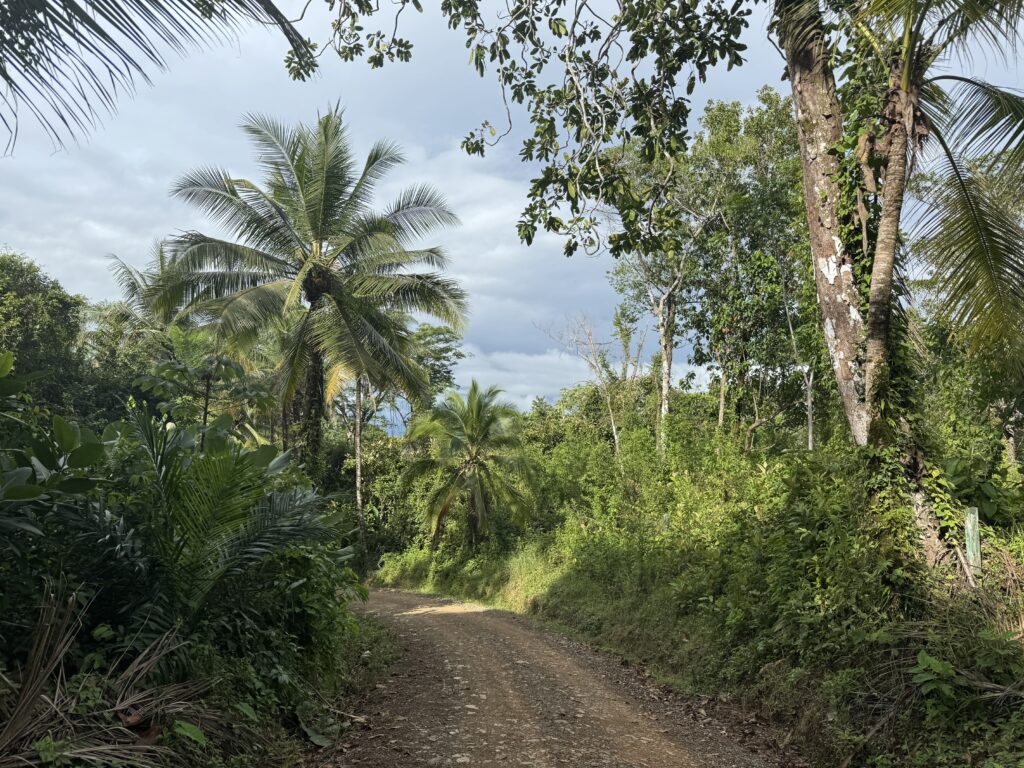
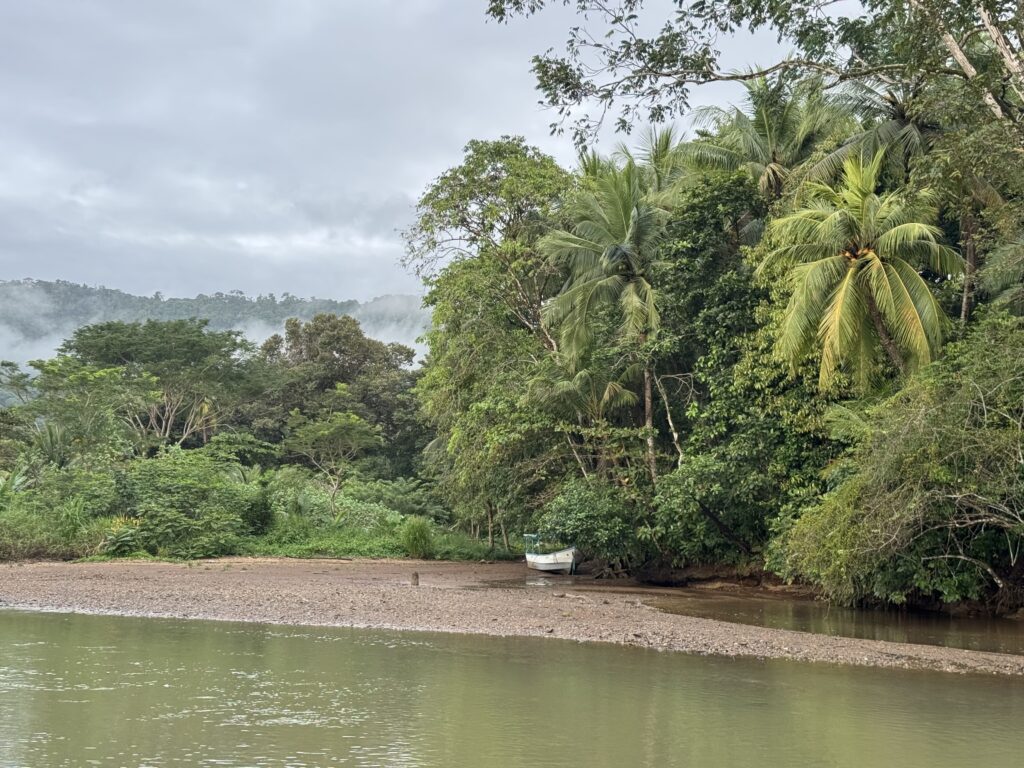
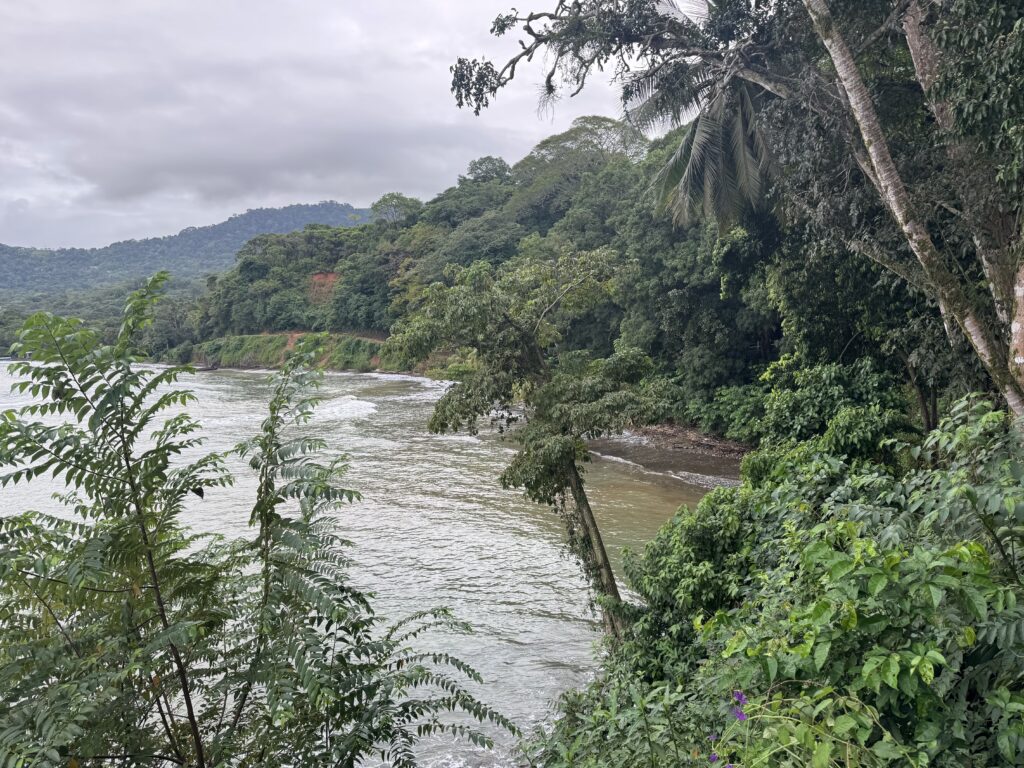
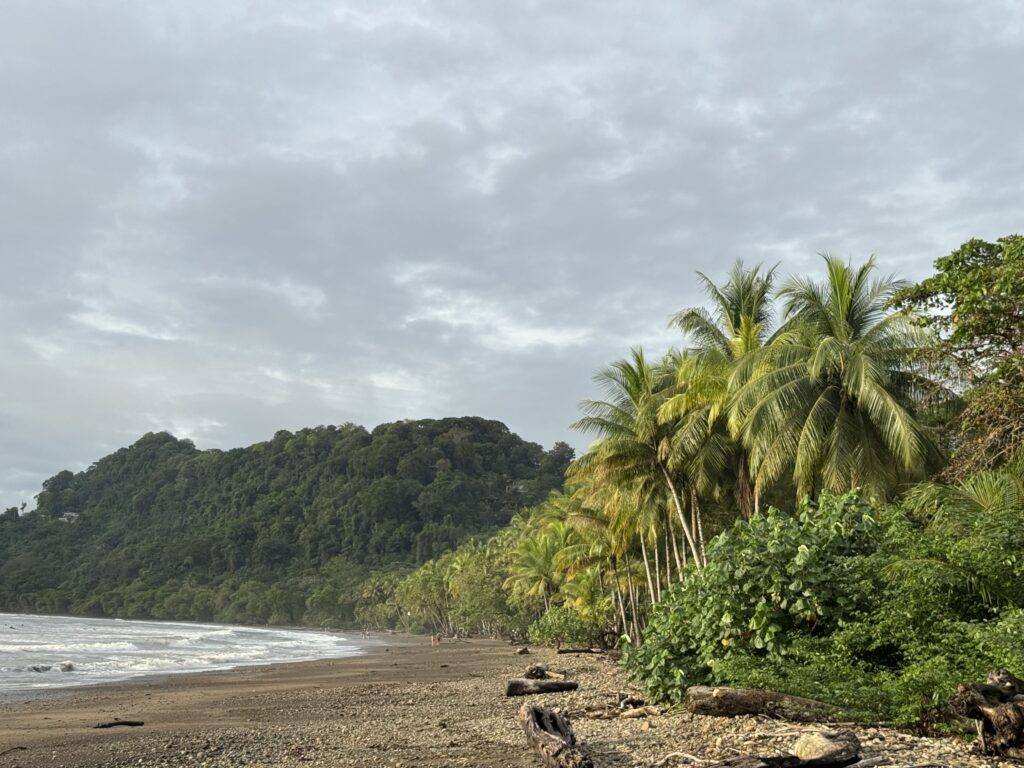

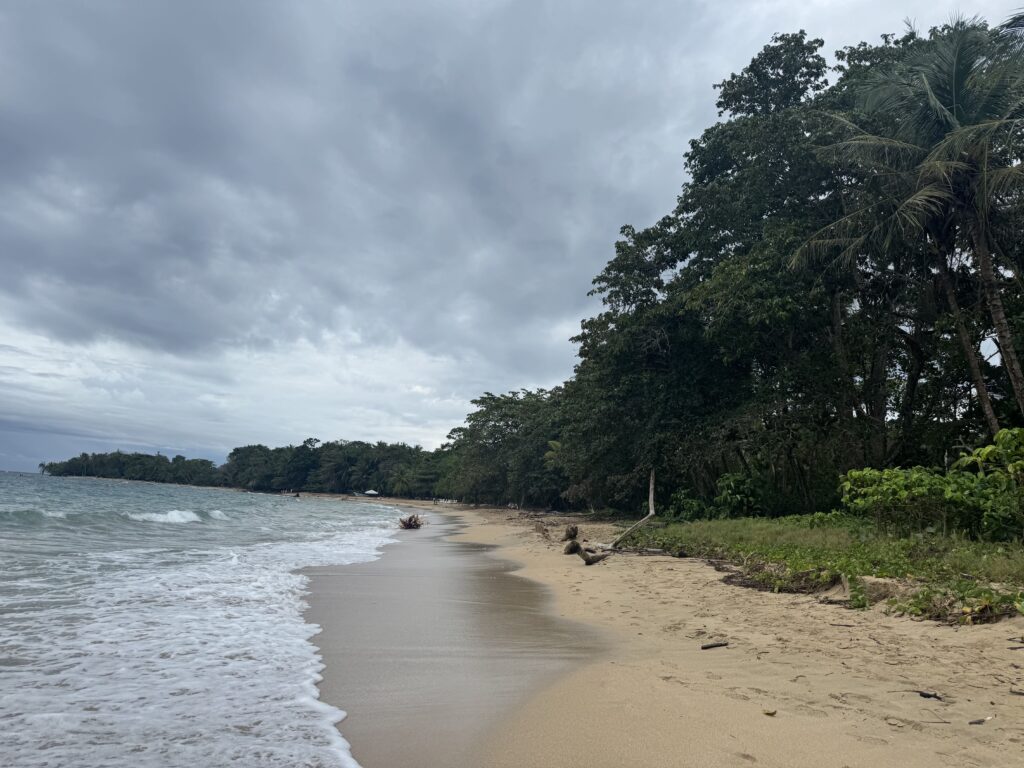
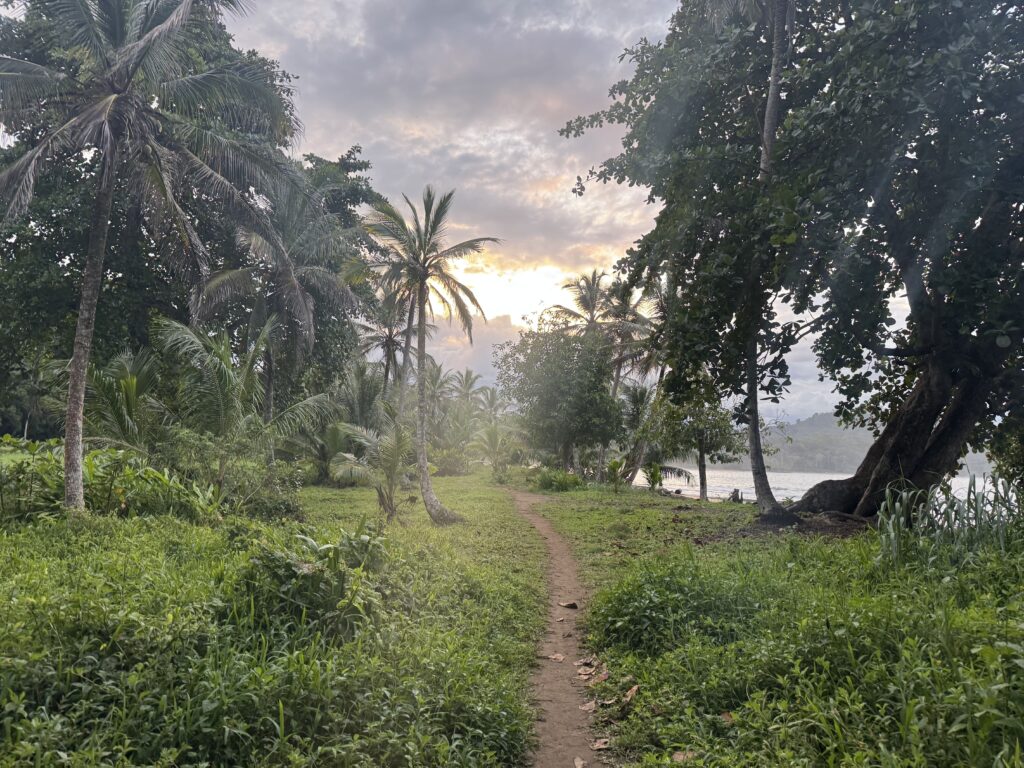
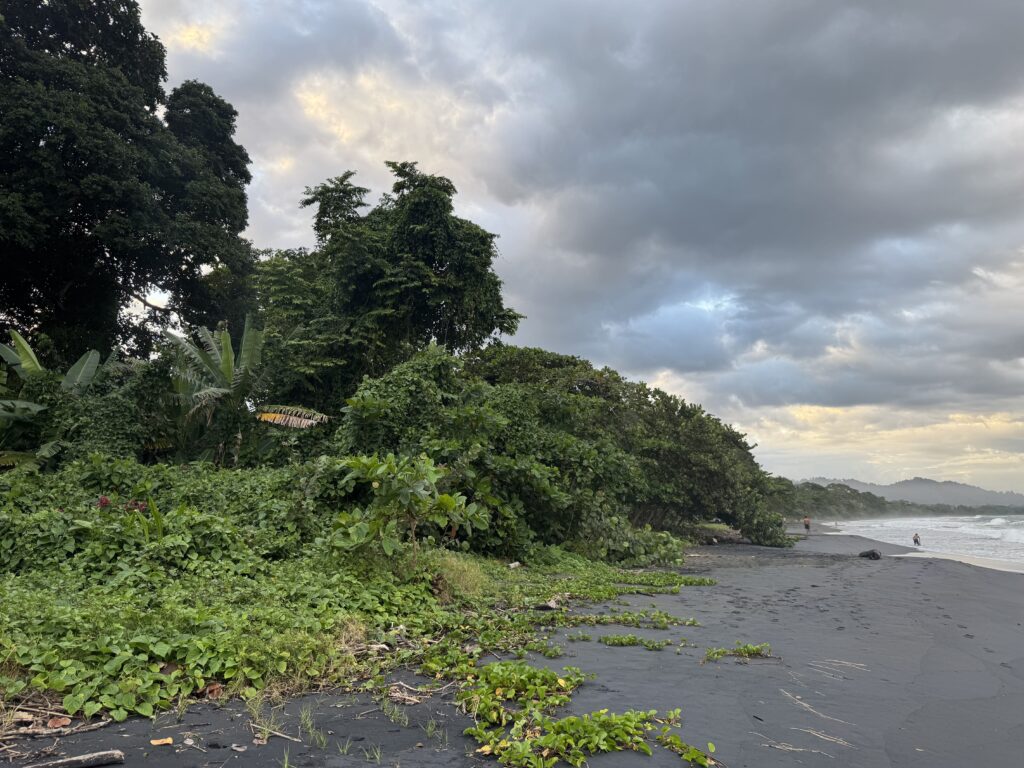
Unlike the Pacific coast, many towns on the Caribbean coast are walkable or bikeable so you won’t have to rent a car.
We stayed in Puerto Viejo and ended up renting an ATV to get around. But I also rented a bicycle from time to time to get to more secluded beaches (it’s cheap). Oh AND you can take tuk-tuks, which are also pretty cheap. I paid around $4 for each 10-15 minute ride.
Another plus side of the Caribbean coast? Sloths are everywhere!!
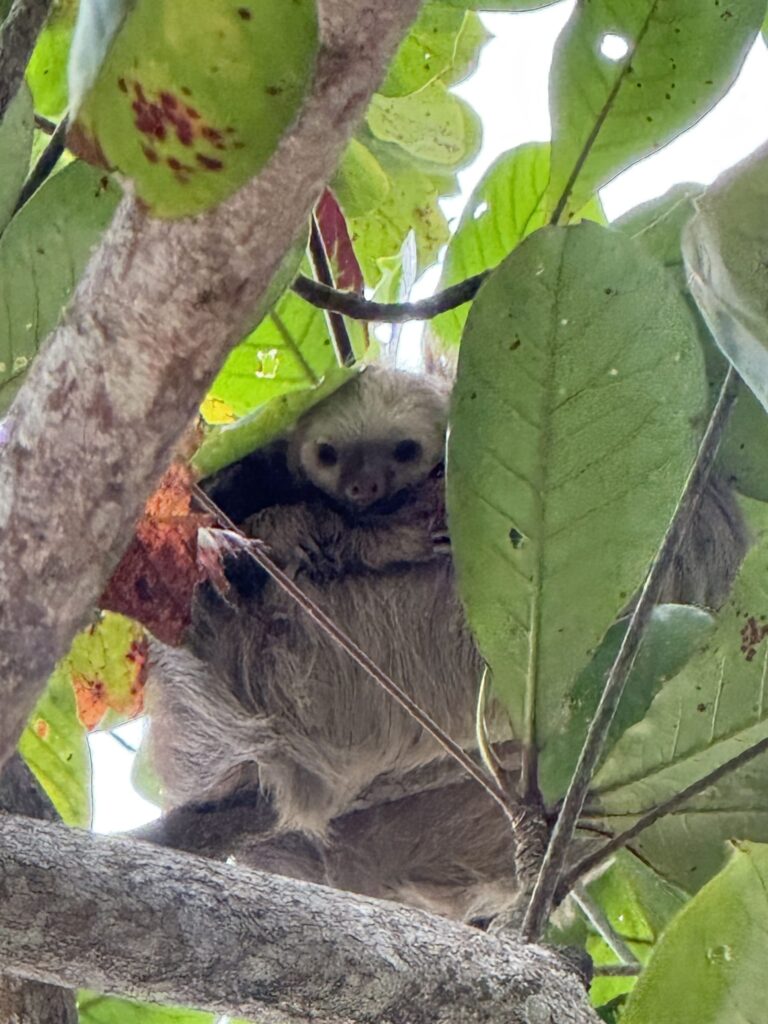
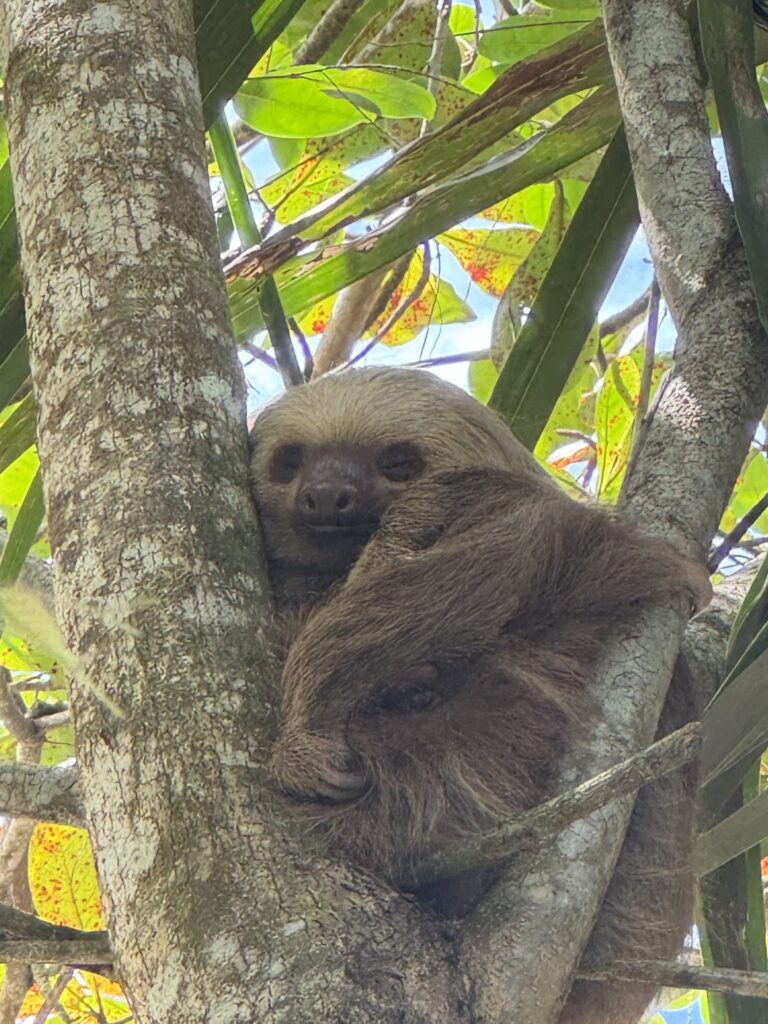
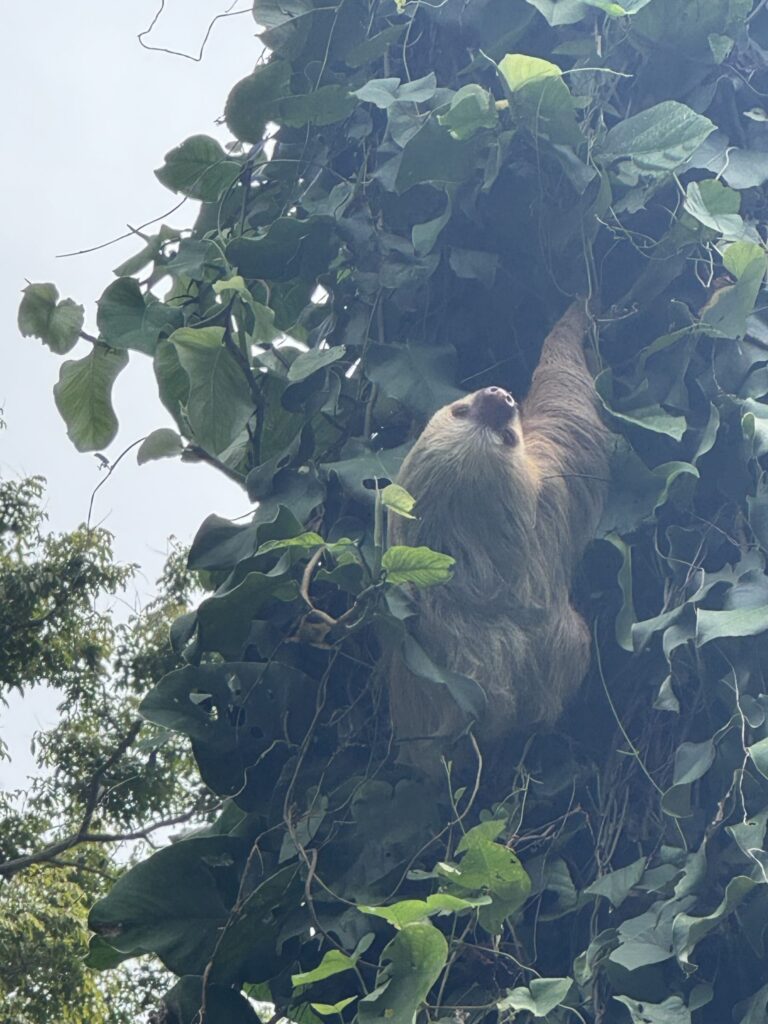
Supposedly there are a lot of sloths on the pacific coast too but for whatever reason, I didn’t see a single one during my month-long stay in Dominical (although I did see a lot of other amazing wildlife like toucans, monkeys and other types of colorful birds). But during my few weeks on the Caribbean coast, I probably saw at least 10 sloths.
TLDR; I loved both the pacific and the Caribbean side of Costa Rica for different reasons. But I preferred the pacific coast because I loved the mountains (and all the hiking). Plus, the quality and variety of the produce at the farmers market was much better.
Although to be fair, my experience in Puerto Viejo was definitely tainted by the fact that the Airbnb I stayed at had fleas (yup, FLEAS). Which ended up infesting the next Airbnb I went to. It was a nightmare to sort out and I ended up cutting my trip early as a result. Fortunately, Airbnb did cover the cost of fumigation and the first Airbnb ended up giving me a partial reimbursement.
But I learned a few valuable lessons from that whole experience:
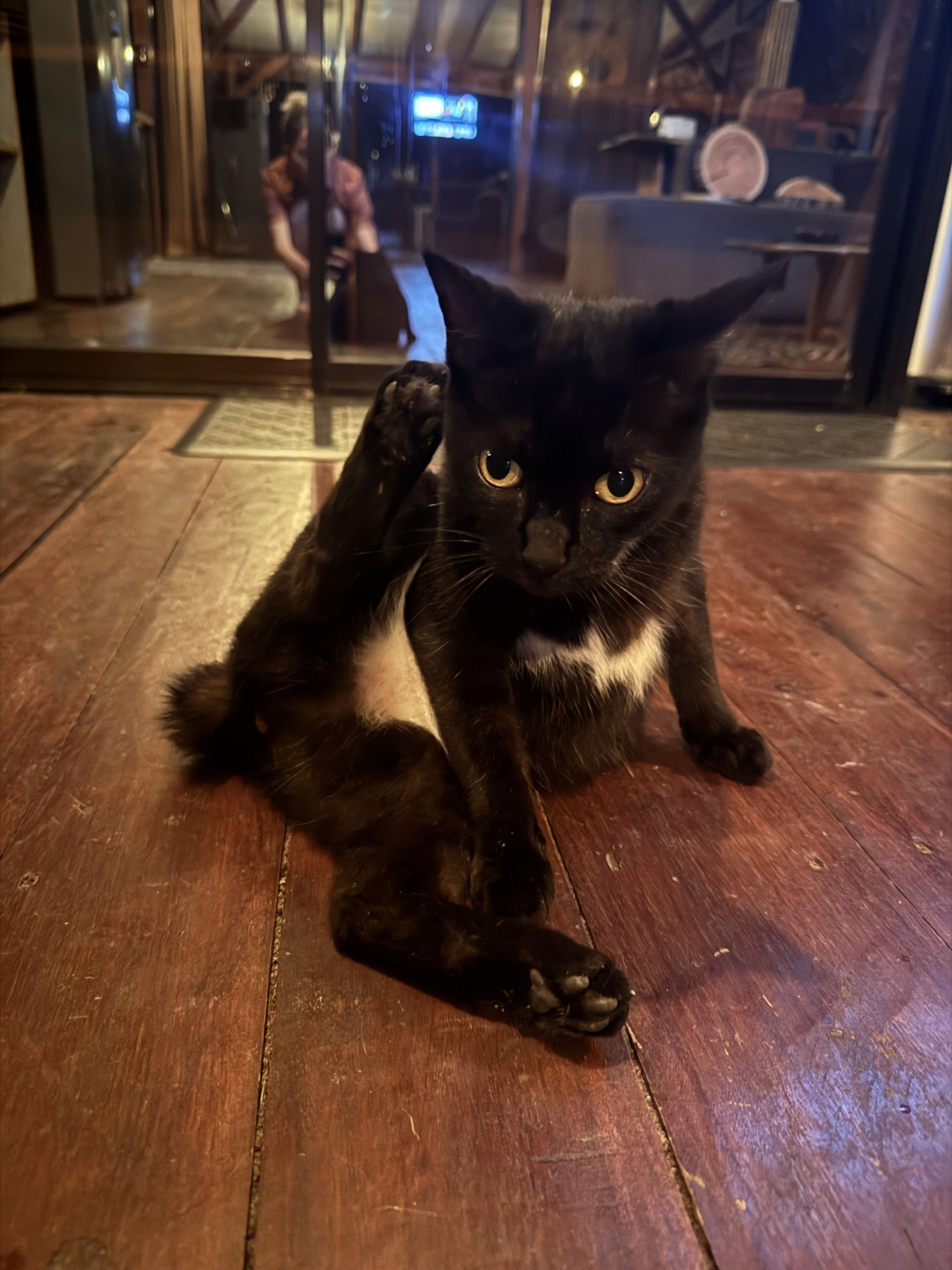
1. Be careful if any random stray cats stop by your Airbnb and try not to pet them like I did (lol)
2. Book an Airbnb with WHITE sheets (this place had black sheets which meant we couldn’t see the fleas on the bed! If we had, we could have left sooner.)
I digress…
7. Travel during the shoulder season
You’ve probably heard this tip before! Traveling during the high season will not only be more crowded, it will also be much more expensive. If you can, go to Costa Rica during the shoulder season instead (May, June and November).
Although to be honest, I did vow to never visit Costa Rica again in November. It rained a lot. And I mean a LOT. Think: heavy downpours all day long. There were like 10 days where we didn’t see the sun at all. Apparently that amount of rainfall was atypical but not sure I would want to risk it again. Perhaps May/June would be a safer bet.
Bottom line?
Costa rica is definitely not cheap, but it doesn’t have to break the bank either. If you:
- Pick a good car rental company and take advantage of your credit card insurance
- Shop at local farmers markets
- Eat at “sodas”
- Do pet sitting
- Choose the right region and season to go
…you can dramatically reduce your costs while still having an incredible time.